
Living in Cache Valley comes with undeniable perks. The mountains are stunning, the community is tight-knit, and the winters provide a picturesque landscape that many only dream of. However, that beauty comes with a biting cold that settles into the valley floor and lingers for months. While residents know how to bundle up, their homes often face the brunt of the freezing temperatures in ways that aren’t immediately obvious. The plumbing systems in this region face a unique set of challenges during the winter months, requiring specific attention to avoid disaster.
The geography of the valley plays a significant role in why local homes are so susceptible to plumbing issues. The phenomenon of temperature inversion often traps cold air near the ground, causing temperatures to drop significantly lower than in surrounding areas. This sustained freeze puts immense pressure on pipes, particularly those in older homes or in areas of the house that might not be as well-insulated. Understanding why your home is at risk is the first step in preventing the kind of water damage that can ruin a season.
When the temperature drops, the water inside your pipes can freeze. As water freezes, it expands with tremendous force. This expansion is often enough to cause copper, plastic, or steel pipes to burst. A burst pipe is not just a minor inconvenience; it can lead to flooding, structural damage, and the potential for mold growth that affects your home’s air quality long after the water has been cleaned up. For homeowners in this region, proactive maintenance is less about convenience and more about necessity.
The Unique Climate Challenges of Cache Valley
The specific climate patterns in Cache Valley create a perfect storm for plumbing mishaps. Unlike areas where the temperature might dip below freezing for a few hours at night and then warm up during the day, this region often experiences days or even weeks where the thermometer never rises above freezing. This prolonged cold soaks into the structure of a home. Even pipes located in crawl spaces, attics, or exterior walls that might survive a short cold snap are at high risk during these extended periods.
Another factor is the wind chill. The valley can funnel winds that strip heat away from the exterior of a home rapidly. If you have outdoor spigots or water lines running along an exterior wall, the wind can accelerate the freezing process. This is why standard winterization advice often isn’t enough here. Simply covering a faucet might work in milder climates, but in Cache Valley, you often need to shut off the water supply to outdoor lines entirely and drain them to ensure safety.
Jerry’s Plumbing & Repair has seen firsthand how quickly a small draft can turn into a major emergency. They often encounter situations where a small gap in insulation or a cracked vent allowed enough cold air to reach a pipe, leading to a freeze. Their experience in the valley means they know exactly where to look for these vulnerabilities. They understand that local building codes and common construction practices from decades past might not always stand up to the harshest winters without a little extra help.
Why Insulation Matters More Here
plumbing system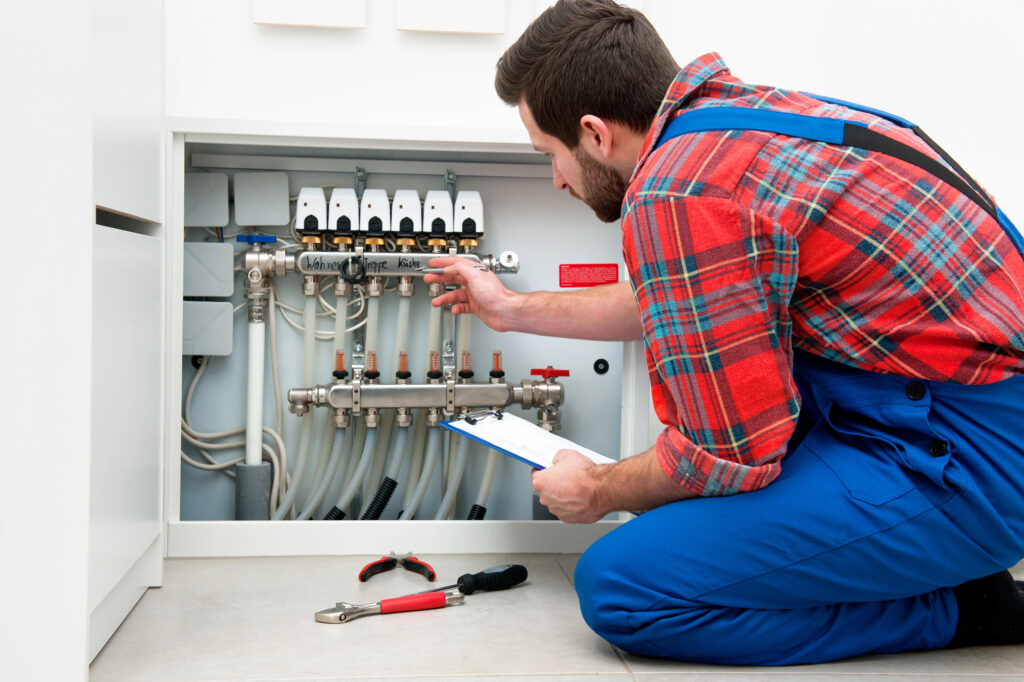
Insulation is your home’s primary defense against the cold, but many homeowners assume that if the rooms feel warm, the pipes are safe. This is a dangerous misconception. Plumbing lines often run through unheated areas of the home, such as basements, crawl spaces, and garages. In Cache Valley, the temperature in these unconditioned spaces can easily drop below freezing. If the pipes within them aren’t individually insulated, the ambient temperature of the house won’t be enough to protect them.
Adding pipe insulation sleeves is a simple yet effective way to retain heat within the water lines. It acts as a barrier against the cold air and keeps the water temperature slightly higher. However, for homes in particularly exposed areas of the valley, insulation alone might not be enough. In these cases, heat tape or heat cables can be installed along the pipes to provide an active heat source. This is something that a professional Cache Valley plumbing service can assess and install correctly to ensure it doesn’t pose a fire hazard while providing maximum protection.
The team at Jerry’s Plumbing & Repair emphasizes that insulation isn’t just about preventing bursts; it is also about efficiency. When your hot water pipes are exposed to extreme cold, your water heater has to work overtime to deliver hot water to your tap. This increases your energy bills and puts unnecessary strain on your water heater. By properly insulating your pipes, you are protecting your home from damage and saving money on your monthly utility costs.
The Danger of Frozen Drains and Septic Issues
Most people worry about supply lines bursting, but winter can also wreak havoc on your drainage systems. If a drain line is not properly sloped or if there is a slow leak, water can pool and freeze, creating a blockage that backs up into your home. This is particularly common in kitchen lines where grease might have already narrowed the pipe. The cold temperature hardens the grease and accelerates the freezing of any standing water, leading to a stubborn clog that a simple plunger cannot fix.
For those on septic systems, which are common in the more rural parts of Cache Valley, winter poses additional risks. If the snow cover is not significant enough to insulate the ground, the frost line can deepen and potentially reach the tank or the lines leading to it. Compacting the snow over your septic tank by driving or parking on it drives the frost deeper into the ground. This can lead to the system freezing, which is a messy and expensive problem to solve in the middle of January.
Regular maintenance before the snow flies is crucial. Having your drains cleaned and your septic system inspected by Jerry’s Plumbing & Repair can prevent these issues. They can identify slow drains that are likely to freeze and give you advice on how to manage your septic field during the cold months. Their local knowledge is invaluable because they understand soil conditions and frost depths specific to this area, ensuring that their solutions are tailored to the environment.
Managing Your Water Heater in Winter
Your water heater is arguably the most hardworking appliance in your home during the winter. It has to take water that is entering your home at a near-freezing temperature and heat it for your showers, dishwasher, and laundry. This increased demand can cause older units to fail right when you need them the most. Sediment buildup at the bottom of the tank can also become a bigger issue in winter, as it acts as a barrier between the burner and the water, forcing the unit to work even harder.
If your water heater is located in an unheated garage or basement, it is losing heat to the surrounding air constantly. You might notice that your hot water doesn’t last as long or isn’t as hot as it usually is. Using a water heater blanket can help reduce this heat loss. However, you must be careful not to cover any vents or controls. This is another area where professional advice from Jerry’s Plumbing & Repair ensures that you are improving efficiency without compromising safety.
They also recommend flushing your water heater annually to remove sediment. Doing this in the fall prepares the unit for the heavy workload of winter. If your unit is aging, they can help you decide if it is time for a replacement before a failure leaves you with an icy shower. They can guide you toward high-efficiency models or tankless options that might better suit the demands of a Cache Valley winter.
What to Do If Disaster Strikes
frozen pipes and gutters
Despite your best efforts, extreme weather can sometimes win. If you wake up to no water or, worse, the sound of rushing water, knowing how to react quickly can save your home. The very first thing every homeowner should know is the location of their main water shut-off valve. In a bursting pipe scenario, shutting off the water immediately stops the flow and limits the damage. Every member of the household should know where this valve is and how to operate it.
Once the water is off, opening the faucets allows the remaining water to drain and relieves pressure in the system. If the pipe is frozen but hasn’t burst yet, using a hair dryer or space heater to gently warm the pipe (starting from the faucet end) can help thaw it. Never use an open flame, as this can damage the pipe or start a fire. If the freeze is behind a wall or you can’t locate it, it is time to call in the professionals.
Jerry’s Plumbing & Repair offers emergency services because they know that plumbing disasters don’t stick to business hours. When you are dealing with a crisis in freezing temperatures, you need a team that responds quickly and arrives with the right tools to fix the problem. Their technicians are trained to handle winter emergencies efficiently, minimizing the disruption to your life and getting your home back to normal as fast as possible.
Partnering with a Local Expert
The best way to handle winter plumbing in Cache Valley is not to face it alone. Having a reliable plumber who knows the history of the area and the specific challenges of the climate is a major asset. Jerry’s Plumbing & Repair has built a reputation on reliability and expertise. They don’t just fix problems; they help homeowners understand their systems so they can prevent future issues.
From inspecting your insulation to servicing your water heater, they offer a comprehensive approach to winter home care. They treat every home as if it were their own, providing honest assessments and high-quality workmanship. In a place where the weather can be unforgiving, having a partner like Jerry’s Plumbing & Repair gives you peace of mind that your home will stay warm, dry, and functioning perfectly all winter long. Reach out today by calling (435) 563-6488.