
A sudden plumbing issue can disrupt the peace of any Ogden home. That distinctive drip, drip, drip from a faucet, a toilet that won’t stop running, or a sink that drains at a glacial pace are common frustrations. While many plumbing problems require the expertise of a professional, there are several minor issues you can tackle on your own. Knowing how to handle these small repairs can save you time, money, and the stress of waiting for help to arrive.
This guide will walk you through some of the most common DIY plumbing fixes. Understanding these basic skills can empower you as a homeowner, helping you maintain your home’s plumbing system and identify when it’s time to call in the experts. For those moments when a problem is beyond a simple fix, having a trusted local professional like Jerry’s Plumbing & Repair on call provides essential peace of mind. Let’s explore some practical solutions to keep your home’s waterworks flowing smoothly.
Fixing a Leaky Faucet
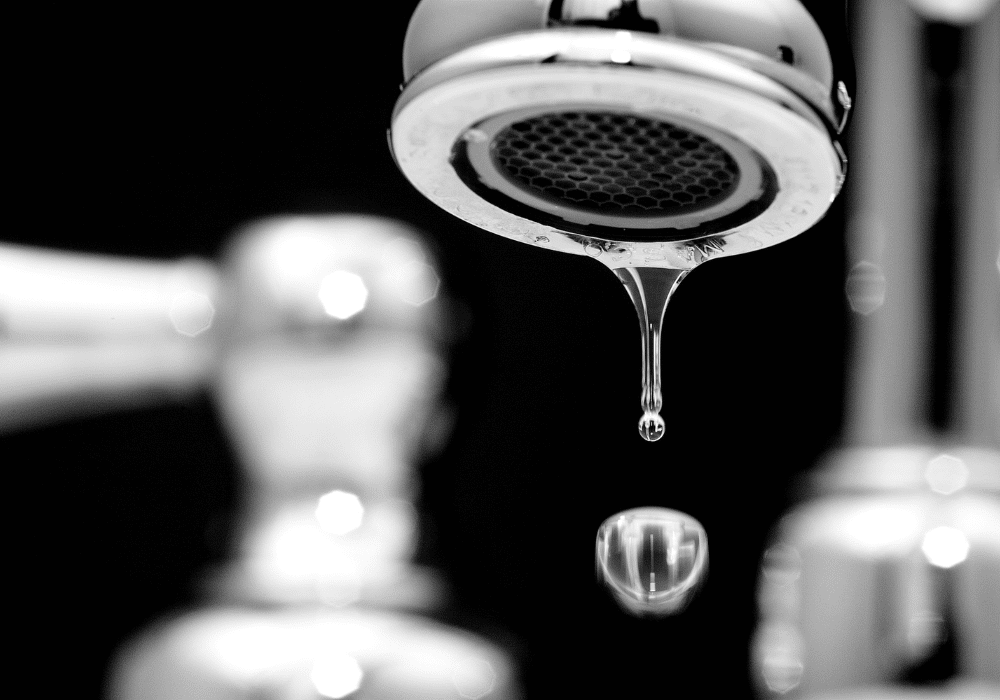
Dripping Faucet
A constantly dripping faucet is not just a nuisance; it’s a significant source of water waste. A single leaky faucet can waste hundreds, or even thousands, of gallons of water per year. Fortunately, this is often one of the most straightforward plumbing fixes. The most common culprit is a worn-out washer or O-ring inside the faucet handle. These small rubber components create a seal to prevent water from escaping when the faucet is turned off, but they can degrade over time.
To begin this repair, you first need to shut off the water supply to the sink. You can usually find the shut-off valves in the cabinet directly beneath the faucet. Turn them clockwise until they are tight. Next, use a screwdriver to remove the faucet handle. Depending on the design, you may need to pry off a decorative cap to access the screw. Once the handle is off, you will see the inner components of the faucet. Carefully remove the packing nut and stem to access the washer and O-ring. Replace the old, worn parts with new ones of the same size, which you can find at any local hardware store. Reassemble the faucet in reverse order, turn the water supply back on, and test your work. If the dripping has stopped, you’ve successfully completed one of the most common plumbing fixes.
Unclogging a Slow Drain
A slow-draining sink or shower is a frequent problem in many households, typically caused by a buildup of hair, soap scum, and other debris. Before reaching for harsh chemical drain cleaners, which can damage your pipes over time, there are several effective mechanical methods you can try. One of the simplest tools is a drain snake, also known as a plumber’s auger. This flexible tool can be inserted into the drain to break up or pull out the clog.
To use a drain snake, feed the end into the drain opening and push it down until you feel resistance. Then, turn the handle to rotate the cable, which will help it either break through the blockage or latch onto it so you can pull it out. If the clog is in a bathroom sink, you might also need to clean the P-trap, which is the U-shaped section of pipe under the sink. Place a bucket underneath to catch any water, then use a wrench to loosen the nuts on either side of the trap. Once it’s removed, you can clear out any accumulated debris before reattaching it. For more stubborn clogs that these methods can’t resolve, it may be time to contact a professional from Jerry’s Plumbing & Repair to avoid causing damage to your pipes.
Silencing a Running Toilet
Toilet bowl in modern bathroom interior white
A toilet that continuously runs after you flush can be a major source of hidden water waste. This issue is almost always caused by a faulty component inside the toilet tank. The fix is usually inexpensive and simple, requiring just a few replacement parts. The most common causes are a malfunctioning flapper, an incorrect float height, or a broken fill valve. The flapper is the rubber seal at the bottom of the tank that lifts when you flush; if it doesn’t create a tight seal, water will constantly leak into the bowl.
Start by turning off the water supply to the toilet, located on the wall behind it. Flush the toilet to empty the tank. Now you can inspect the flapper for any signs of wear, warping, or mineral buildup. If it looks damaged, it’s easy to replace. Simply unhook it from the overflow pipe and attach a new one. If the flapper seems fine, the problem might be the float. The float tells the fill valve when to stop filling the tank. If it’s set too high, water will continuously run into the overflow tube. You can usually adjust the float height with a screw or clip on the fill valve. Lowering it slightly might solve the problem. If neither of these plumbing fixes works, the fill valve itself might need replacing. While this is a more involved task, it is still manageable for a DIY-er. However, if you’re not comfortable, the team at Jerry’s Plumbing & Repair can handle it quickly.
Addressing Low Water Pressure
Low water pressure can make simple tasks like showering or washing dishes incredibly frustrating. While some causes, like municipal water supply issues, are out of your control, others can be resolved with a bit of investigation. One of the most common and easily fixable reasons for low pressure in a specific fixture is a clogged aerator. The aerator is the small screen at the tip of your faucet that mixes air with water. Over time, it can become clogged with mineral deposits.
To clean it, simply unscrew the aerator from the faucet tip by hand or with a pair of pliers wrapped in a cloth to prevent scratching. Disassemble the small screen and rinse the parts thoroughly. For stubborn mineral buildup, you can soak the components in a small bowl of white vinegar for a few hours. This will dissolve the deposits. After soaking, use an old toothbrush to scrub away any remaining residue, then rinse everything and reassemble the aerator. If low pressure is affecting your entire home, the problem could be more complex, such as a failing pressure regulator or a hidden leak in your main water line. These situations require professional diagnosis, and calling a trusted Ogden expert like Jerry’s Plumbing & Repair is the safest course of action.
Your Partner in Plumbing Maintenance
Knowing how to handle these basic DIY plumbing fixes can save you from the headache of minor plumbing emergencies. From fixing a leaky faucet to clearing a slow drain, these skills empower you to maintain your home effectively. However, it’s equally important to recognize when a problem is too big to handle on your own. Attempting complex repairs without the proper knowledge or tools can lead to more significant damage and costly mistakes.
For any plumbing challenge that seems beyond your comfort level—or for routine maintenance to prevent problems before they start—don’t hesitate to reach out to a professional. The experienced team at Jerry’s Plumbing & Repair is always ready to provide reliable and expert service to homeowners throughout the Ogden area. Reach out by calling (435) 563-6488