
Hidden plumbing leaks can cause serious structural damage and spike water bills long before they become visible. Knowing the early warning signs—unusual odors, unexplained moisture, and rising utility costs—can help homeowners act fast and avoid costly repairs.
You’ve just opened your water bill and the number makes you do a double-take. Nothing has changed in your household routine, yet somehow you’re using hundreds more gallons than usual. No dripping faucets in sight, no puddles on the floor—so where is the water going? For many homeowners, the answer is hiding behind walls, beneath floors, or underground, silently wreaking havoc on the home’s structure.
Hidden plumbing leaks are one of the most underestimated threats a home can face. According to the U.S. Environmental Protection Agency, household leaks can waste nearly 10,000 gallons of water per year, with 10% of homes leaking 90 gallons or more per day. The damage compounds quickly: warped flooring, weakened foundations, mold growth, and skyrocketing utility bills. The good news is that most hidden leaks leave clues—if you know what to look for.
This guide walks homeowners through the telltale signs of hidden plumbing leaks, what causes them, and when it’s time to call in the professionals at Jerry’s Plumbing & Repair.
Why Are Plumbing Leaks So Hard to Spot?
Most residential plumbing runs through places you rarely see—inside walls, beneath concrete slabs, under crawl spaces, and behind appliances. A pipe can develop a slow drip or a pinhole crack and go undetected for months, even years. By the time visible signs appear, significant damage has often already occurred.
Older homes are particularly vulnerable. Pipes made from galvanized steel or cast iron corrode from the inside out, meaning the exterior may look perfectly intact while the interior has already begun to fail. Even in newer homes, shifting foundations, temperature fluctuations, and high water pressure can stress joints and fittings until they give way.
How to Read Your Water Meter for Hidden Leaks
One of the most reliable ways to detect a hidden plumbing leak doesn’t require any tools—just your water meter. Start by turning off every water source in the home: faucets, appliances, irrigation systems, and ice makers. Then locate your water meter, typically found near the curb or sidewalk, and check whether the dial or digital display is still moving. Any movement while water is shut off is a red flag.
For a more precise test, note the meter reading, avoid using water for two hours, then check the reading again. Even a small difference confirms that water is escaping somewhere it shouldn’t be. This simple test, recommended by plumbing professionals at Jerry’s Plumbing & Repair, is often the fastest way to confirm a suspected leak before a full inspection.
What High Water Bills Are Really Telling You
outdoor plumbing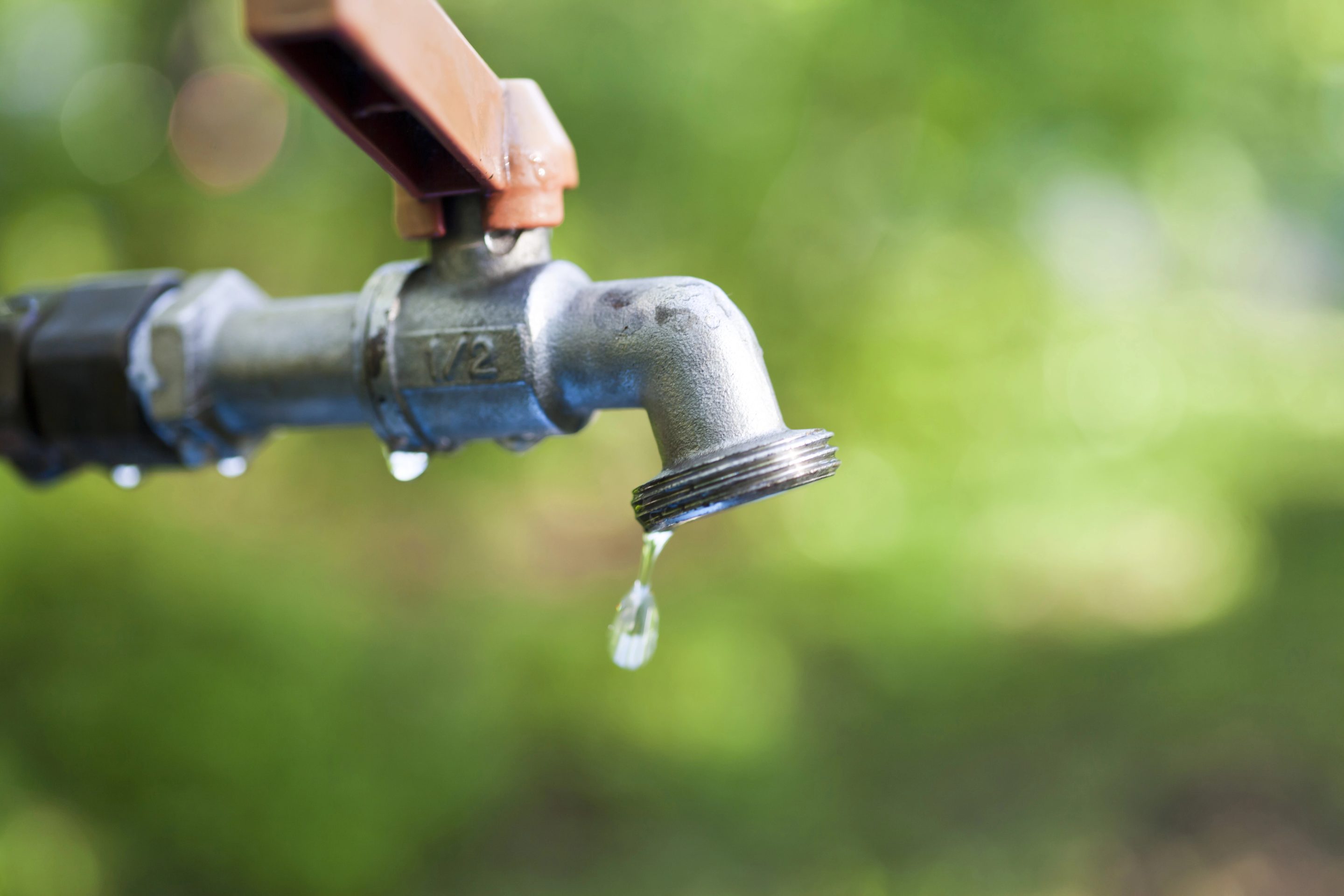
A sudden or unexplained spike in your water bill is rarely a coincidence. While seasonal changes can cause minor fluctuations, a consistent upward trend without a corresponding change in usage almost always points to a plumbing leak somewhere in the system.
Jerry’s Plumbing & Repair advises homeowners to compare water bills month-over-month rather than just reviewing the most recent statement. A gradual increase over several billing cycles is often more telling than a single dramatic jump, and it’s frequently the first measurable sign of a slow, persistent leak that has yet to surface visibly.
Warning Signs Inside Your Home
Inside the home, hidden plumbing leaks tend to announce themselves in subtle but consistent ways. One of the earliest indicators is the appearance of stains on ceilings or walls—yellowish-brown discoloration that spreads slowly over time. These stains form when water seeps through building materials and dries repeatedly, leaving mineral deposits behind.
Musty or earthy odors that persist even after cleaning are another strong indicator. Mold and mildew thrive in damp, dark environments, and a hidden leak provides exactly those conditions. If a particular room or hallway smells consistently damp without explanation, there’s a good chance moisture is accumulating somewhere unseen.
Pay attention to flooring as well. Tiles that have shifted, hardwood planks that are warping or buckling, and soft spots in vinyl flooring are all physical signs that water has been sitting beneath the surface for some time. The same applies to walls—bubbling paint, peeling wallpaper, and surfaces that feel soft or spongy to the touch suggest moisture has been trapped within the structure.
Checking Bathrooms, Kitchens, and Utility Areas
Certain rooms in the home carry a higher risk of hidden plumbing leaks simply because of how much plumbing runs through them. Bathrooms are a prime location, particularly around the base of toilets, beneath sinks, and behind shower walls. A toilet that runs intermittently on its own—sometimes called “phantom flushing”—often has a failing flapper valve that allows water to constantly seep from the tank into the bowl.
In kitchens, the area beneath the sink and around the dishwasher connection deserves regular attention. Slow drips from supply lines or drain connections can saturate cabinet interiors and subfloor materials long before they become apparent. The same is true of utility rooms housing water heaters and washing machines, where hose connections and pressure relief valves are common failure points.
Jerry’s Plumbing & Repair recommends homeowners do a quick visual inspection of these areas every few months—opening cabinet doors, checking for discoloration, and feeling for any unusual moisture or soft materials around pipe connections.
What Outdoor and Underground Leaks Look Like
Hidden plumbing leaks aren’t limited to the interior of a home. Outdoor supply lines, irrigation systems, and sewer laterals can all develop leaks that go undetected for extended periods. One of the clearest signs of an underground leak is an area of lawn or garden that stays unusually green and lush compared to surrounding areas, even during dry weather. Water migrating upward from a broken line beneath the surface essentially creates an unintentional irrigation zone.
Cracks in your driveway or a section of pavement that has begun to heave or sink can also indicate a subsurface leak. Water erodes the soil beneath hardscaping over time, and as that support disappears, the surface above begins to shift. If you notice these changes near where a main water line enters your home, it’s worth having a professional evaluate the situation promptly.
When to Call Jerry’s Plumbing & Repair

Some plumbing leaks are within the scope of a handy homeowner—a worn washer in a faucet, a loose connection under a sink. But hidden plumbing leaks are a different matter. Locating the source of a concealed leak requires specialized equipment, including thermal imaging cameras, acoustic listening devices, and pressure testing tools that can identify problems without tearing apart walls or flooring unnecessarily.
Attempting to locate and repair a hidden leak without the right tools often results in more damage, not less. Walls get opened in the wrong places, the actual source of the leak goes unaddressed, and the problem continues. Jerry’s Plumbing & Repair uses non-invasive detection methods that pinpoint leaks accurately, protecting both the home’s structure and the homeowner’s budget.
Protect Your Home Before the Damage Deepens
Hidden plumbing leaks rarely resolve on their own. A slow drip becomes a steady flow. A damp wall becomes a moldy one. A manageable repair becomes a major renovation. The earlier a leak is identified, the less damage it causes—and the less it costs to fix.
By staying alert to the warning signs outlined in this guide and partnering with an experienced team like Jerry’s Plumbing & Repair, homeowners can stay ahead of the problem before it gets out of hand. If something in your home feels off—an unexplained smell, a suspicious water bill, a soft spot in the floor—trust that instinct and get it checked. Your home will thank you for it. Reach out to our team today by calling (435)563-6488.